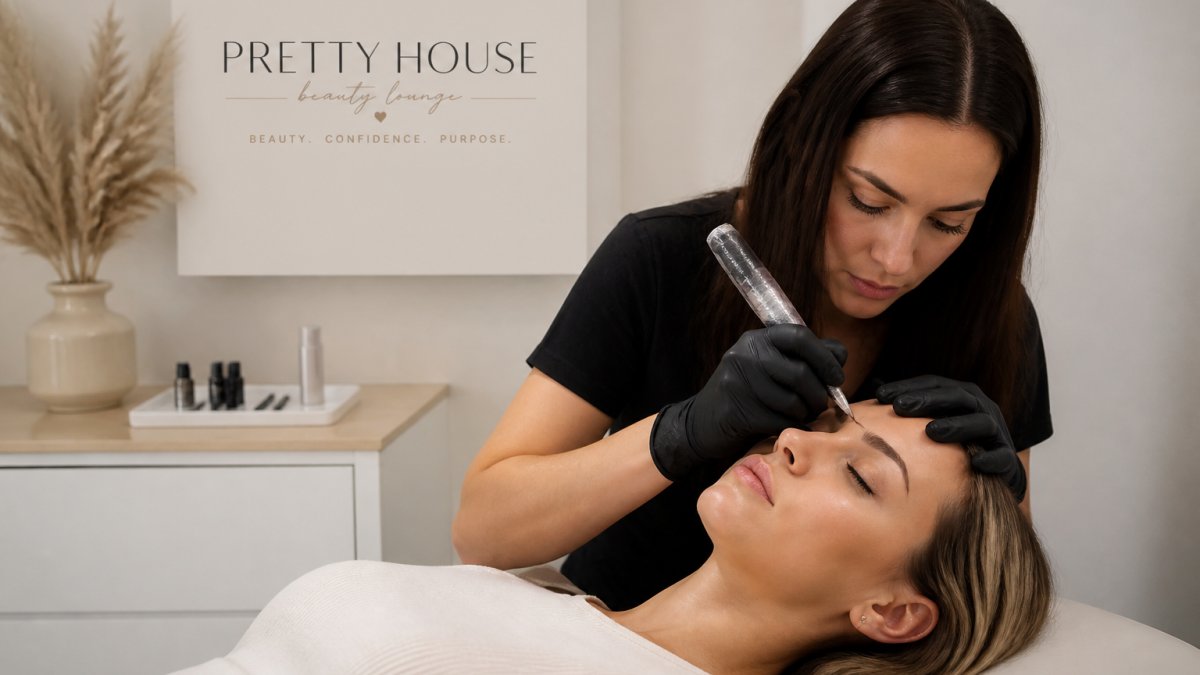
 how-to
What to Expect During Permanent Makeup
Table of Contents
- What Happens at Your First Permanent Makeup Appointment
- Preparing for Your Permanent Makeup Session
- Does Permanent Makeup Hurt?
- The Pigment Application and Treatment Process
- Permanent Makeup Healing Stages
- Permanent Makeup Aftercare Instructions
- Realistic Longevity and Touch-Up Appointments
- Frequently Asked Questions
Last Updated: October 5, 2026
What Happens at Your First Permanent Makeup Appointment
Your first permanent makeup appointment is a consultation and design session before any pigment touches your skin. This is where we listen to your goals, map out your custom design, and make sure you're completely comfortable with the plan.
Consultation and Goal Discussion
When you arrive for your first visit, we start by understanding what you want to achieve. This conversation shapes everything that follows. We ask about your daily routine, your makeup preferences, and the look you're trying to create. Are you looking for natural enhancement or something more defined?
We also discuss your skin type and skin tone, because these affect how pigment sits and how it ages. We explain what's realistic for your face shape and features. Some people come in with pictures from social media, and we're honest about what will and won't work for your unique face.
At Pretty House Beauty Lounge, we've spent over 12 years helping clients understand the difference between what they want and what will actually look best on them. If you're interested in learning the art of permanent makeup yourself, we also offer permanent makeup training for those looking to develop professional skills in this field.
Custom Design and Shape Mapping
After we understand your goals, we create your custom design. This is the most important step because permanent makeup is permanent.
For brows, we measure from your nose to find the arch placement. We consider your bone structure and where your natural brow hair grows. The design should enhance your face, not fight against it.
For eyeliner, we map the thickness and where the line sits on your lid. For lip color or lip blush, we outline the shape and discuss how saturated you want the color to be. You approve every detail before we proceed.
Pigment Color Selection
Choosing the right pigment color is crucial because it won't look the same on your skin as it does in the bottle. We test pigment shades on your skin to show you how they'll appear once healed. Pigment darkens during the first few days of healing, then fades slightly as you heal over the next 4-6 weeks.
We also consider your skin undertones. Cool undertones suit ashy or taupe pigments. Warm undertones look better with golden or warm brown shades. We explain how your skin's natural pigment affects the final result. Darker skin tones show different pigment colors than lighter skin tones, and that's something we account for in our color selection.
Preparing for Your Permanent Makeup Session
Proper preparation makes your appointment smoother and helps you heal better. We give you specific instructions before your appointment to set you up for success.
Skin Preparation and Cleansing
Before your appointment, cleanse the treatment area gently with a mild cleanser. Don't use any exfoliating products, acids, or retinoids for at least one week before your appointment. These can thin your skin and make it more sensitive.
Avoid sun exposure to the treatment area for at least one week before your appointment. Sunburned skin or tanned skin can affect how the pigment sets. If your skin is already irritated or sunburned, we may need to reschedule.
On the day of your appointment, come with clean skin and no makeup on the treatment area. Don't apply any lotions, serums, or oils right before your appointment.
Personalized Eligibility and Contraindications
Certain conditions mean you may need to reschedule or discuss alternatives with us. Pregnancy is a common reason to wait, since we don't perform permanent makeup on pregnant clients. If you're breastfeeding, we can usually proceed, but we discuss this with you first.
Active skin conditions like eczema, psoriasis, or severe acne on the treatment area may need to be managed before your appointment. Keloid-prone skin means you need to be extra cautious about permanent makeup, since your skin tends to form raised scars.
If you're on blood thinners or have a bleeding disorder, permanent makeup carries extra risks because you'll bleed more during the procedure. We ask about your medical history and any medications you're taking.
Does Permanent Makeup Hurt?
This is the question everyone asks. The honest answer is that permanent makeup causes discomfort, but it's manageable.
Topical Numbing and Pain Management
We apply topical numbing cream before we start, which takes the edge off the sensation. The numbing cream works within 10-15 minutes.
Most clients describe the sensation as uncomfortable rather than painful. It feels like a scratching or vibrating sensation. Some areas are more sensitive than others.
We work in short sessions to give you breaks. We check in with you throughout the procedure. If you need a break, we stop and let you rest. Some clients do fine with just topical numbing.
The numbing effect wears off as we work, which is normal. We reapply numbing cream as needed during the session.
The Pigment Application and Treatment Process
Once your design is approved and numbing is in place, we begin the pigment application.
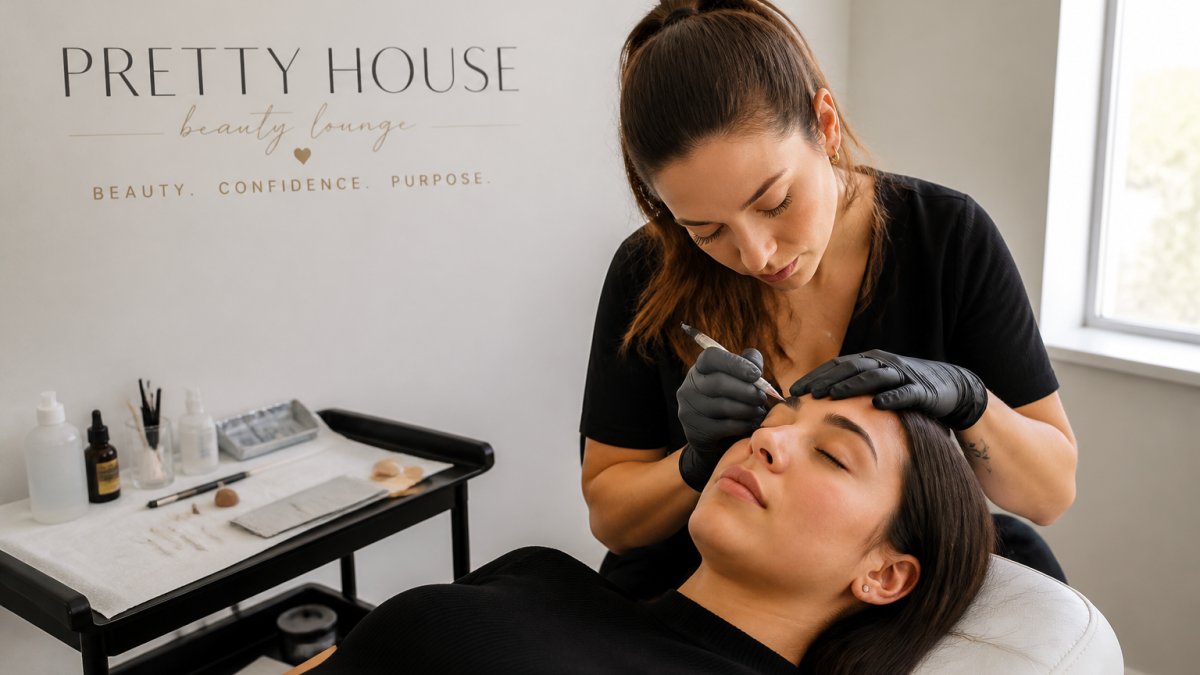
We work methodically, building color layer by layer. We don't apply all the color in one pass. Instead, we apply it gradually so the pigment sits evenly and looks natural.
The treatment area will bleed slightly during the procedure. This is normal and expected. We wipe away blood as we work so we can see what we're doing. The bleeding stops once we finish.
Permanent Makeup Healing Stages
Healing doesn't happen all at once. Your permanent makeup goes through distinct stages over the next 4-6 weeks. Understanding what's normal helps you avoid panicking at each stage.
Week-by-Week Healing Timeline
Days 1-3: Your skin is red and tender. Swelling peaks around day 2 or 3. The pigment looks darker and more intense than it will be when fully healed. This is temporary.
Week 1-2: The treated area starts to scab or flake. This is your skin's natural healing response. The scabs are thin and delicate.
Week 2-4: Most scabs have fallen off. The area looks lighter than you expect. This is because the top layer of skin is still slightly opaque as it heals.
Week 4-6: The pigment continues to settle into your skin. The color becomes more visible as the healing process completes.
What to Watch For During Recovery
Most healing symptoms are normal. Redness, swelling, slight tenderness, scabbing, and flaking are all expected. But some symptoms mean you should contact us.
Watch for signs of infection: increasing redness beyond the treatment area, warmth or heat coming from the area, pus or thick discharge, red streaks extending from the treatment area, or fever.
Excessive swelling that doesn't improve after 3 days, or swelling that gets worse instead of better, is worth checking on. Some swelling is normal. Extreme swelling is not.
If you develop an allergic reaction to the pigment (itching, hives, or rash beyond the treatment area), let us know. Pigment allergies are uncommon, but they happen. We can discuss options if this occurs.
Permanent Makeup Aftercare Instructions
Your aftercare routine directly affects how well your permanent makeup heals and how long it lasts. We give you detailed written instructions, but here's what matters most.
First Few Days: Critical Care Steps
For the first 24 hours, keep the area dry. Don't shower or wash your face. Don't apply any products to the treatment area. Let it air dry naturally.
Starting day 2, gently cleanse the area with a mild, fragrance-free cleanser. Pat it dry with a clean paper towel.
Avoid sweating for the first week. This means no intense exercise, no hot yoga, no saunas. Sweat can introduce bacteria and interfere with healing.
Don't sleep on your face the first few nights if possible. Friction from your pillow can cause the scabs to rub off prematurely.
Avoid makeup on the treatment area for at least one week. Let your skin heal without anything on top of it.
Long-Term Maintenance and Pigment Retention
After the first week, your daily routine affects how long your permanent makeup lasts. Sun exposure fades pigment faster than anything else. Wear sunscreen on your face daily, even if you're not spending time outside.
Avoid harsh skincare products on the treatment area. Strong acids, retinoids, and exfoliating products can accelerate fading. Use gentle products and moisturize regularly.
Swimming and hot tubs can fade pigment and introduce bacteria. Avoid them for at least two weeks after your appointment. After that, limit exposure and rinse your face with fresh water afterward.
Avoid picking or scratching the area, even months later. Your skin is permanently tattooed, and trauma to the area can cause scarring or uneven pigment loss.
Realistic Longevity and Touch-Up Appointments
Permanent makeup isn't actually permanent in the sense that it lasts forever without maintenance.
Most permanent makeup lasts 1-3 years before you need a touch-up. Brows typically last longer than eyeliner or lip color because they're less exposed to friction and moisture.
Several factors affect how long your permanent makeup lasts. Fair skin tends to show fading faster than darker skin tones.
Your lifestyle matters too. If you spend a lot of time outdoors, your pigment will fade faster. If you're in the water frequently, you'll need touch-ups sooner.
We recommend scheduling a touch-up appointment about 12-18 months after your initial appointment.
Frequently Asked Questions
What happens during a permanent makeup appointment?
Your appointment begins with a consultation where you discuss your goals and desired shape with your artist. They'll map out a custom design, help you select pigment color, and prepare your treatment area with cleansing and numbing cream. The actual pigment application typically takes 1-3 hours depending on the treatment area. Your artist will apply pigment using specialized equipment, checking symmetry and color throughout. You'll leave with detailed aftercare instructions and a scheduled follow-up appointment.
How should I prepare for a permanent makeup session?
Arrive with clean skin free of makeup, sunscreen, and lotions. Don't schedule permanent makeup if you're pregnant, nursing, or have active skin infections or conditions. Wear comfortable clothing and plan to be at your appointment for 2-4 hours. Eat a light meal beforehand to help manage any discomfort. Discuss any medications or health conditions with your artist during your consultation so they can assess your eligibility.
Does permanent makeup hurt?
Most clients describe permanent makeup as uncomfortable rather than painful. Your artist applies topical numbing cream before and during the treatment to minimize discomfort. Sensation varies by treatment area, eyeliner tends to be less uncomfortable than lips or brows. Pain tolerance is individual, and your artist will adjust numbing and technique based on your feedback. If you have low pain tolerance, discuss this during your consultation so your artist can plan accordingly and ensure your comfort throughout the session.
What should I expect during permanent makeup healing?
Healing happens in stages over 4-6 weeks. The first few days bring redness, swelling, and tenderness as your skin responds to treatment. By day 3-5, you'll notice darkening of the pigment as the area begins to scab. During week 2, flaking and peeling occur as the outer layer of skin sheds, resist the urge to pick or scratch. The pigment will appear lighter as it settles. By week 4-6, your true color emerges and healing is complete. A touch-up appointment is typically scheduled 4-6 weeks after your initial session to refine color and shape based on how your skin retained the pigment.
Getting permanent makeup is a commitment to understanding what to expect and taking care of your results. At Pretty House Beauty Lounge, we walk you through every step so you feel confident and informed. From your initial consultation through your healing and beyond, we're here to answer your questions and make sure you're happy with your permanent makeup. When you're ready to explore what permanent makeup can do for you, book your appointment with us and let's create a look you'll love.